Research
Safadi Program
Safadi Program of Excellence in Clinical and Translational Neuroscience
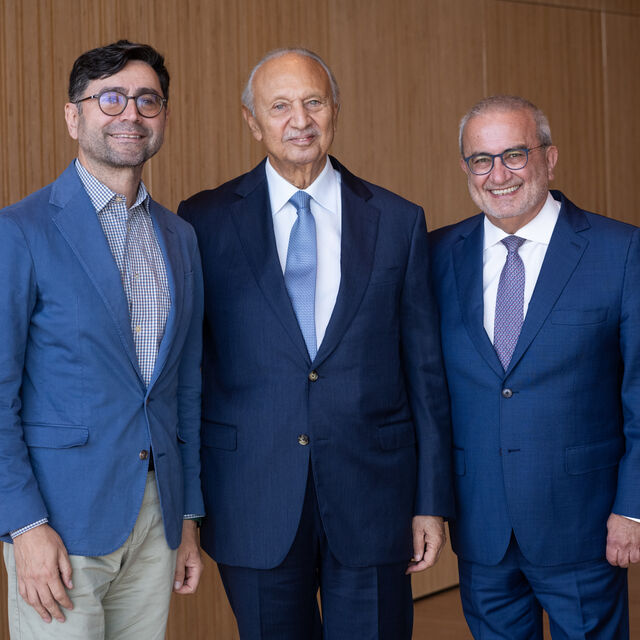
Whether in clinical care or medical research, it is critical for physicians and scientists to partner in order to make important advances. This is particularly true in the neurosciences, where the brain presents an immense frontier for scientific advances utilizing collaborative tools and integrative strategies. The Safadi Program of Excellence in Clinical and Translational Neuroscience at the University of Chicago Medicine was launched on April 18, 2017, with the aim of facilitating this multidisciplinary interface, and creating opportunities for collaboration among scientists and clinicians engaged in the diagnosis and treatment of neurological disorders. (Learn more about Mr. Mohammad Safadi.)
Issam Awad
Safadi Program Director
Chief, Section of Neurovascular Surgery, Department of Neurological Surgery
John Harper Seeley Professor of Neurological Surgery, Neurology & The Comprehensive Cancer Center
Director, Neurovascular Surgery
Seth Himelhoch
Lowell T. Coggeshall Professor of Psychiatry and Behavioral Neuroscience
Chairman of Psychiatry and Behavioral Neuroscience
John Maunsell
Albert D. Lasker Distinguished Service Professor of Neurobiology
Director of the Neuroscience Institute
Shyam Prabhakaran
James Nelson and Anna Louise Raymond Professor of Neurology
Chairman of Neurology
Mark Siegler
Executive Director Emeritus, Bucksbaum-Siegler Institute of Clinical Excellence
Lindy Bergman Distinguished Service Professor Emeritus of Medicine and Surgery
Julian Solway
Founding Director Emeritus, Institute for Translational Medicine
Co-Director of the Berggren Center for Quantum Biology and Medicine
Walter L. Palmer Distinguished Service Professor Emeritus of Medicine and Pediatrics
Mohamad Bydon
Ginni & Mark Rometty Chair, Department of Neurological Surgery
Stahl Professor of Neuroscience in the Wallman Society of Fellows
Youssef Comair
Professor of Neurological Surgery
Chief, Section of Neurosurgical Oncology, Department of Neurological Surgery
- UChicago Medicine Comprehensive Cancer Center
- UChicago Medicine Department of Neurobiology
- UChicago Medicine Department of Neurology
- UChicago Medicine Department of Neurological Surgery
- UChicago Medicine Neurosciences Programs
- Argonne National Laboratory
- Berggren Center for Quantum Biology and Medicine
- Bucksbaum-Siegler Institute for Clinical Excellence
- Neuroscience Institute
- Pritzker School of Molecular Engineering
- Institute for Translational Medicine
Deadline for Submission: November 30, 2026
Project Period: Maximum 12 months, to commence any time after January 1, 2027.
Full time faculty in any track at the University of Chicago are invited to apply for Safadi Pilot Grants, to support the generation of preliminary or exploratory data involving novel multidisciplinary neuroscience collaborations, or to help support fellowship training involving novel multidisciplinary tools and concepts.
Proposals should articulate the novel multidisciplinary collaboration, and disease relevance or collaboration with clinical neuroscience group. Applications are due at midnight, November 30, 2026. Decisions about winning proposals will be made before January 1, 2027, and funding for up to 12 months may be requested to commence any time after that date.
Proposals will be evaluated based on:
- Innovation
- Scientific rigor
- The uniqueness of opportunity/infrastructure/milieu
- Contribution to multidisciplinary program development, specifying what disciplines it proposes to bridge
- Potential impact on clinical neuroscience translation or disease applications
- Future directions (i.e. how pilot data will be used for future project application; or how would fellowship support will be leveraged in future career development in multidisciplinary perspective).
"Neural circuits and population dynamics controlling innate social behaviors and their underlying internal states”

David J. Anderson, PhD
Seymour Benzer Professor of Biology
Tianqiao and Chrissy Chen Institute for Neuroscience Leadership Chair
Investigator, Howard Hughes Medical Institute
Director, Tianqiao and Chrissy Chen Institute for Neuroscience
California Institute of Technology
Event Details:
Wednesday, October 7, 2026
10:00am-12:00pm (CST)
The Rubenstein Forum at The University of Chicago
In person and by Zoom
David J. Anderson has been a member of the faculty in the Division of Biology and Biological Engineering at the California Institute of Technology in Pasadena since 1986. He is currently the Director of the TianQiao and Chrissy Chen Institute for Neuroscience at Caltech, and an Investigator of the Howard Hughes Medical Institute. Dr. Anderson's research career has spanned multiple topics in neuroscience, from the study of neural crest stem cells that generate the developing peripheral nervous system, to the neural circuits that mediate innate emotional behaviors, such as fear and aggression. He has published over 225 primary research articles and is the co-author with Caltech colleague Ralph Adolphs of The Neuroscience of Emotion: a New Synthesis (2018, Princeton University Press). Dr. Anderson has trained over 50 PhD students or postdoctoral fellows. He received the W. Alden Spencer Award in Neurobiology from Columbia University in 1999, has been elected to the American Academy of Arts and Sciences (2002), the US National Academy of Sciences (2007), and is a recipient of the 2017 Perl-UNC Neuroscience Prize and the 2018 Edward M. Scolnick Prize in Neuroscience from MIT. Dr. Anderson played a key role as an adviser to the late Paul Allen in the founding of the Allen Institute for Brain Sciences and the creation of the Allen Brain Atlas, and continues to serve as an adviser to that Institute. He has also served on two working groups for the NIH's BRAIN (Brain Research through Advancing Innovation in Neurotechnology) Initiative.
Safadi Faculty Scholars
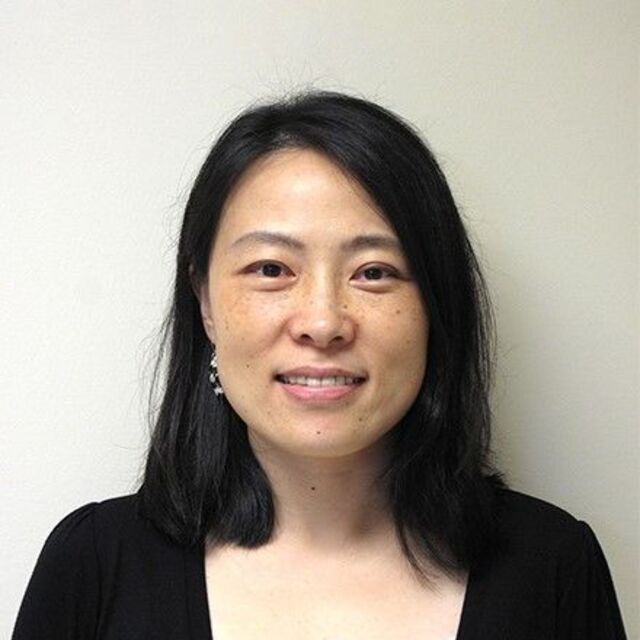
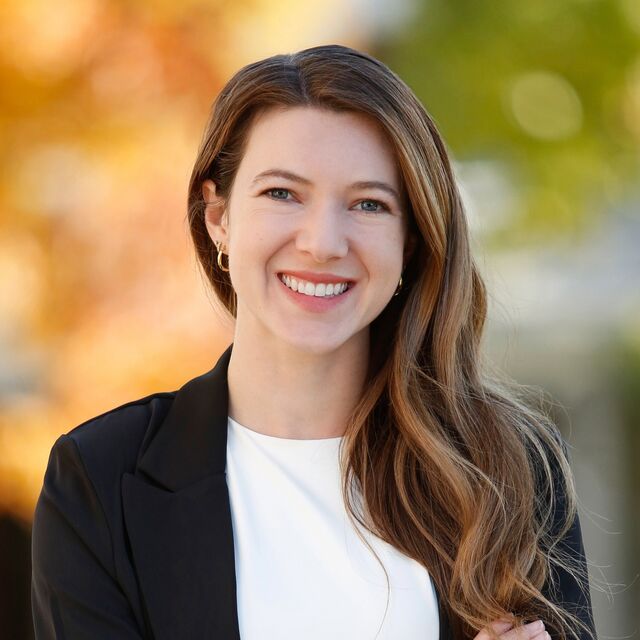
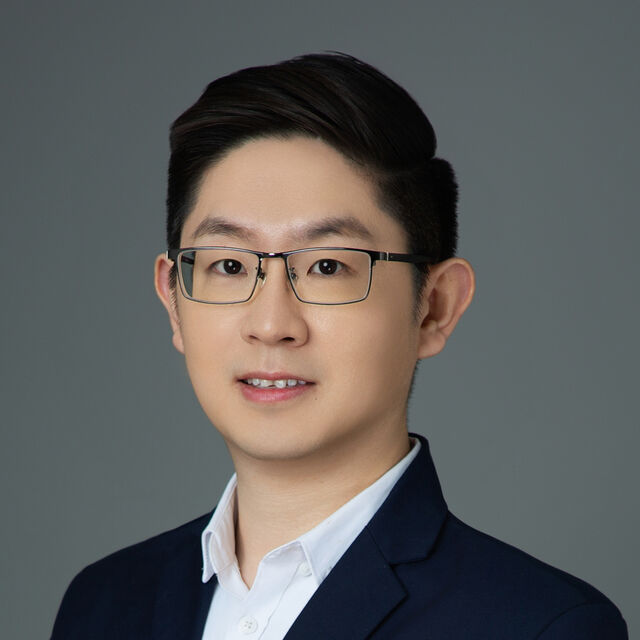
The Safadi Program is proud to have contributed to the recruitment and start-up support of key faculty in the Departments of Neurology and Neurological Surgery, who will lead transformational neuroscience programs relevant to human diseases.
Past Safadi Lectures
-
Doris Tsao
2025"Representing the Visual World"
-
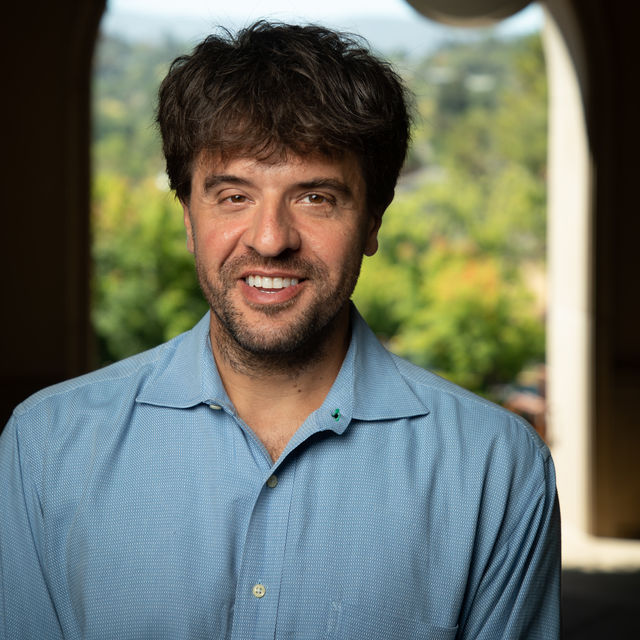
Karl Deisseroth
2024"Light-Gated Membrane Channels:
Discovery and Creation of Diversity, Principles from Structure, and Cellular Access to Biology" -
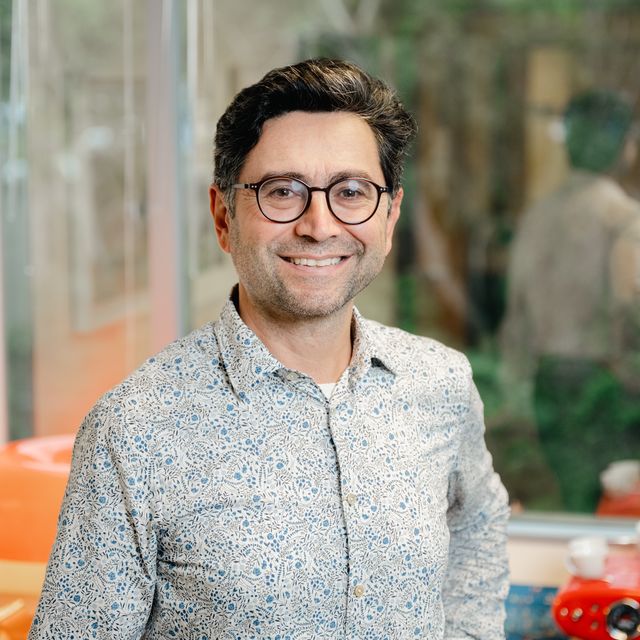
Ardem Patapoutian
2023"How Do You Feel?
The Molecules That Sense Touch" -
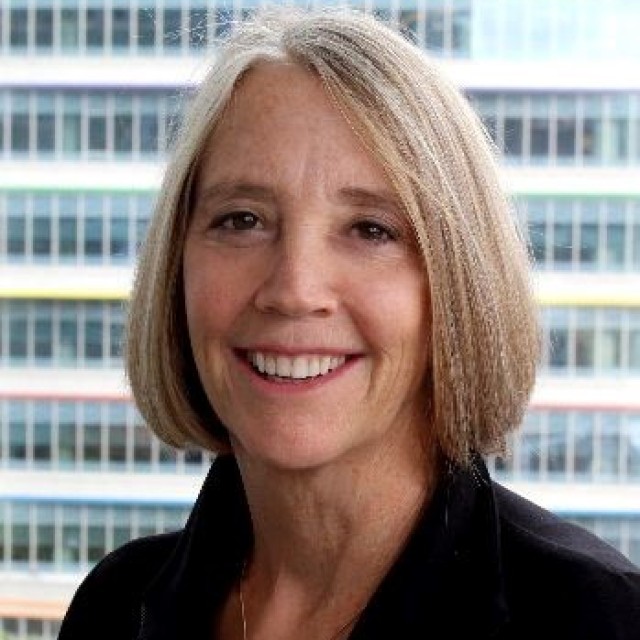
Beverly L. Davidson
2022"Emerging Gene Therapies for the Central Nervous System"
-
Christopher A. Walsh
2021"One Brain, Many Genomes: Somatic Mutation and Genomic Diversity in The Human Brain, From Development to Degeneration"
-
Costantino Iadecola
2020"Neurovascular Pathways to Cognitive Impairment: From Vascular Dementia to Alzheimer's Disease and Beyond"
-
Walter Koroshetz
2019"Welcome to the Golden Age of Neuroscience"
-
Mark L. Kahn
2018"The Microbiome and Cerebral Cavernous Malformations"
Safadi Pilot Grant Recipients
-
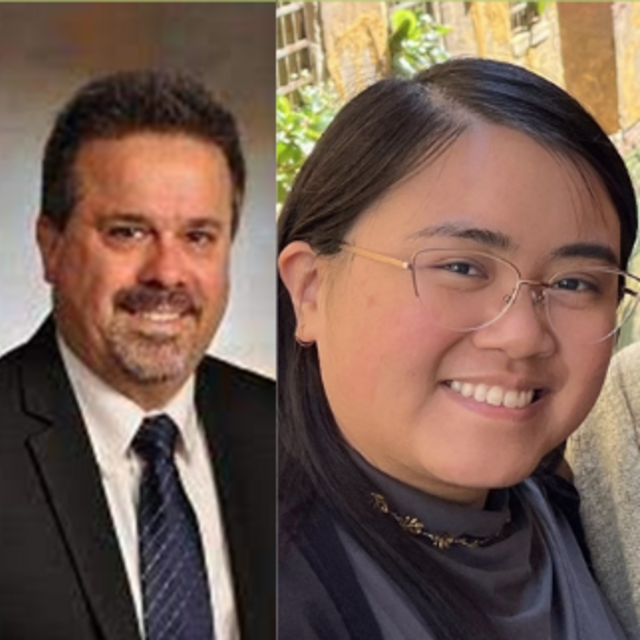
Timothy J. Carroll, PhD & Vivian Nguyen, PhD
2026“Longitudinal Analysis of Imaging Features of CCM and Correlation with Serum-Based Biomarker and Clinical Outcomes”
-
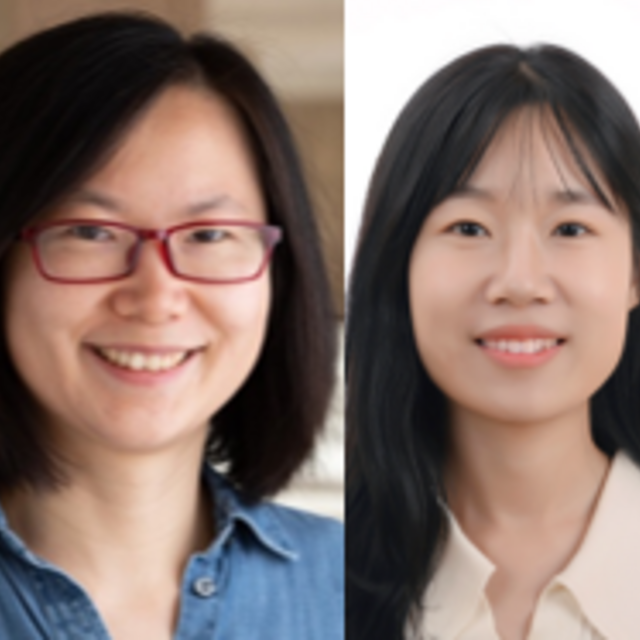
Zhu Zhu Zhang, PhD & Jiaqi Li, PhD
2026“The Molecular Basis of Cocaine Addiction: Linking Epigenetic Mechanisms to Reward Circuit”
-
Timothy J. Carroll, PhD
2026“Linking intracranial aneurysm inflammatory markers to non-invasive MRI contrast kinetics”
-
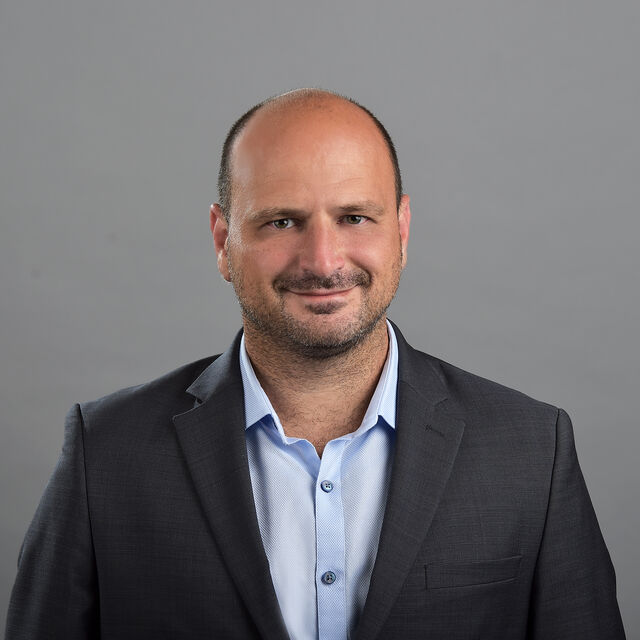
Omer Doron, MD, PhD
2025“Improving Brain Perfusion in Elevated Intracranial Pressure Using a Novel Endovascular Transvenous"
-
Charles Greenspon, PhD
2025“Intraoperative recording and stimulation of human sensorimotor cortex”
-
Sean Polster, MD & Orlando DeLeon, PhD
2025"The Role of the Gut Microbiome in Traumatic Brain Injury and Blood-Brain Barrier Integrity"
-
Rong Grace Zhai, PhD & Xianzun Tao, PhD
2025“Functional impact of FICD-mediated α- synuclein AMPylation in Parkinson's disease"
-
Adil Javed, MD, PhD
2024“Augmentation of motor function in a disabled limb through transcranial magnetic stimulation of the underlying damaged corticospinal network in patients with multiple sclerosis (MS)”
-
Willard W. Sharp MD, PhD
2024“Mechanisms of brain injury following near fatal opioid overdose”
-
Joel Voss, PhD
2024“Noninvasive neuromodulation of human mesial-temporal epilepsy networks”
-
Romuald Girard, PhD
2023"Spatial Transcriptome of Cells Constituting Cerebral Microbleeds"
-
Paschalis Kratsios, MD
2023"Dipeptide Repeat (DPR) Aggregation and Lysosomal Impairment in C9ORF72 ALS/FTD"
-
Sean Polster, MD
2023"The Influence of the Gut Microbiome on Cerebral Radiation Necrosis"
-
Sean Foxley, PhD
2022"Using multi-modal, multi-scale imaging for the creation of an accurate 3D cellular atlas of the normal human spinal cord"
-
Romuald Girard, PhD
2022“Circulating MicroRNAs as Plasma Biomarker of PIK3CA Somatic Mutations in Cerebral Developmental Venous Anomalies Predisposing to CA Development“
-
William Green, PhD
2022"The Role of Golgi Satellites in Alzheimer’s Disease"
-
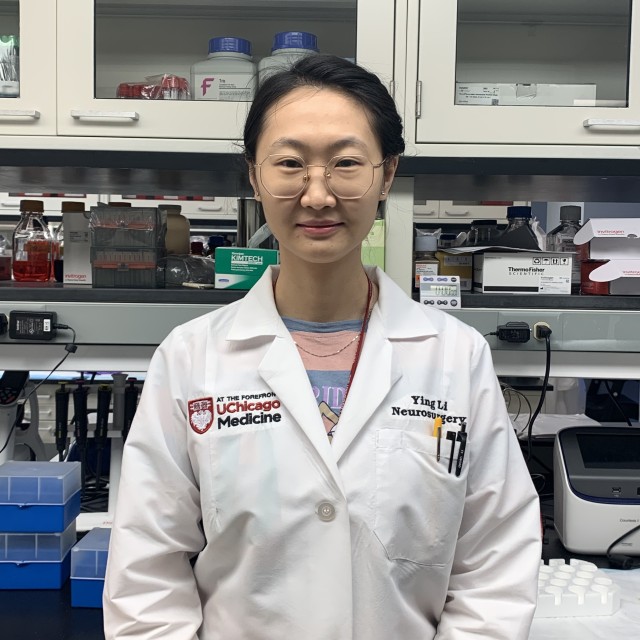
Ying Li, MD, MA
2022“Spatial transcriptomic and proteomic of endothelial cells harboring PIK3CA mutation using GeoMx technology in cerebral cavernous angiomas”
-
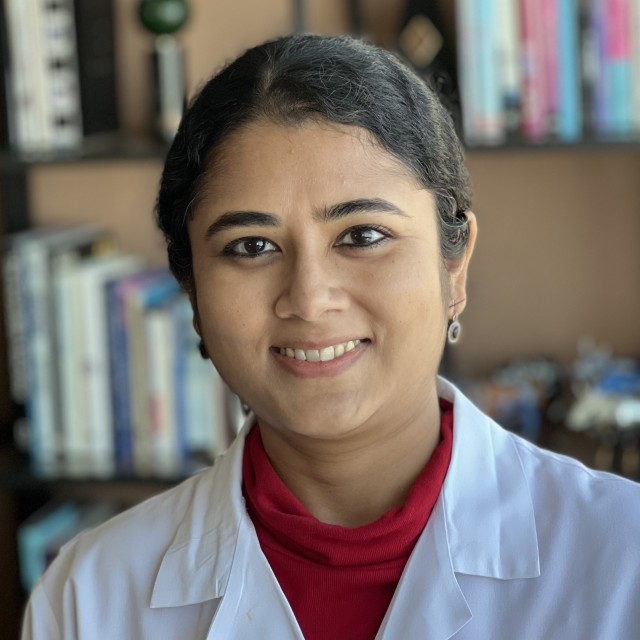
Piyali Saha, PhD
2022"The role of sex hormones and the gut microbiome in Alzheimer’s Disease pathology"
-
Alfredo J. Garcia, PhD
2021"Neural Mechanisms of Respiratory Instability Due to Chronic Fentanyl Use"
-
Romuald Girard, PhD
2021"Machine Learning Analyses of in-vivo Brain Permeability and Iron Deposition in the Human Brain with Hemorrhagic Angiopathy"
-
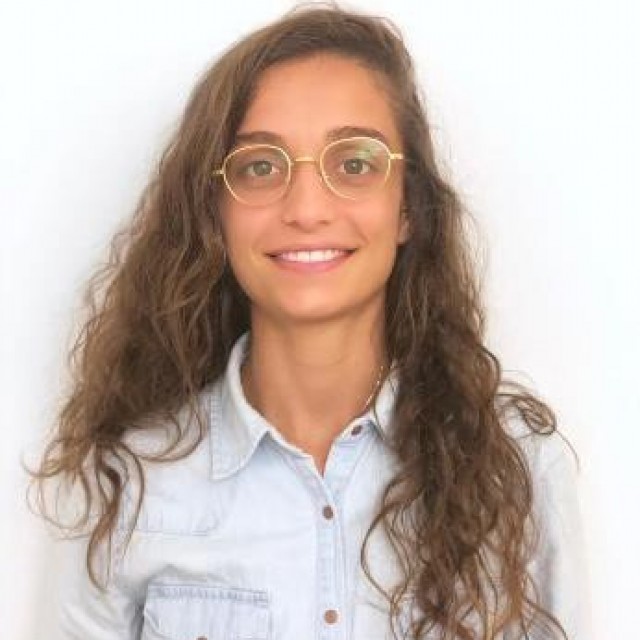
Stephanie Hage, MD, MSc, MA
2021"Bayesian Adaptive Design in Phase IIA Biomarker Trial"
-
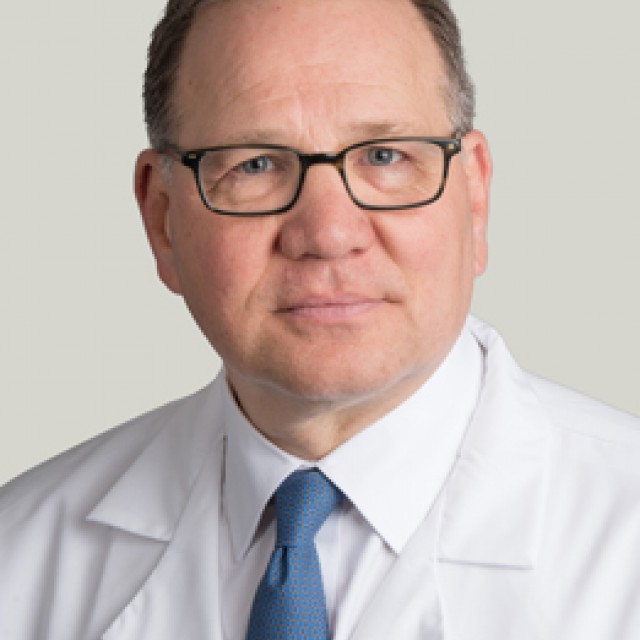
Martin Herman, MD, PhD
2021"Implantation of Wireless Floating Multielectrode Arrays into Lumbar Spinal Cord for the Control of Locomotion in Yucatan Pigs"
-
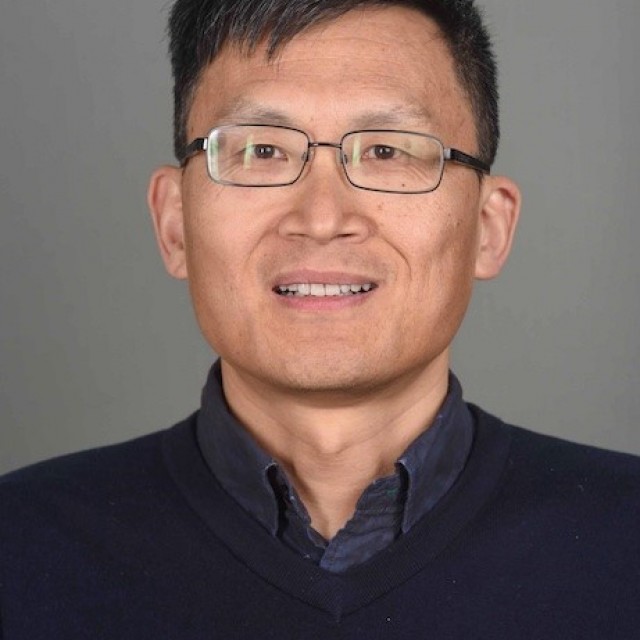
Xiaoxi Zhuang, PhD
2021"The Contribution of Mild Pyridoxine 5’-Phosphate Oxidase (PNPO) Deficiency to Epilepsy in Children"
-
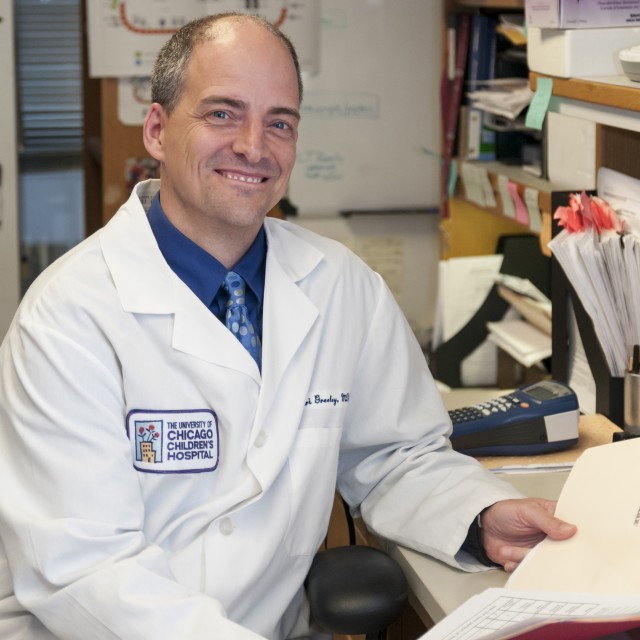
Siri Atma W. Greeley, MD, PhD
2020"Examining the neurodevelopmental role of KCNJ11 in patient-derived cerebral organoids"
-
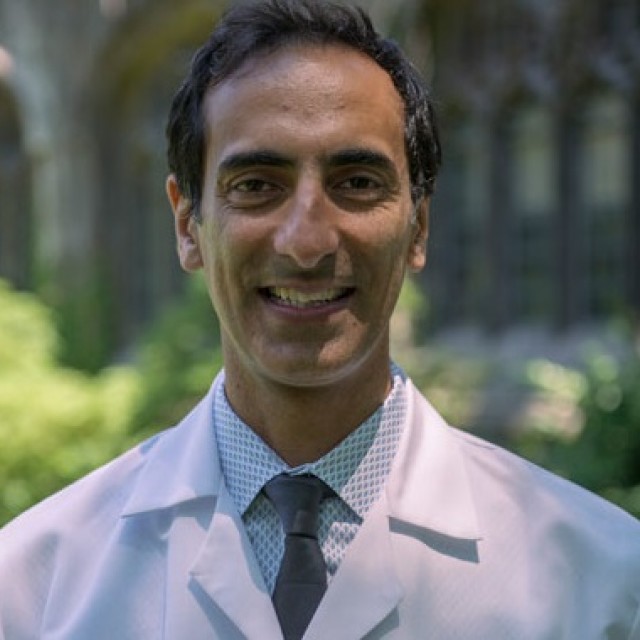
Bakhtiar Yamini, MD
2019"NF-κB and the Microbiome in Neurodegeneration"
-
Hemraj B. Dodiya, PhD
2019"Role of Intestinal Hyperpermeability “leaky gut” in Alzheimer’s Disease Pathogenesis"
-
Dongdong Zhang, MD
2019"The Antigen Recognition Study in Cerebral Cavernous Malformation Disease"
-
Sean Polster, MD
2018"Differential Transcriptome of Human Cerebral Hemorrhagic Microangiopathy"
-
Le Shen, PhD
2018"Effect of Cerebral Cavernous Malformation Genes on Intestinal Epithelium"